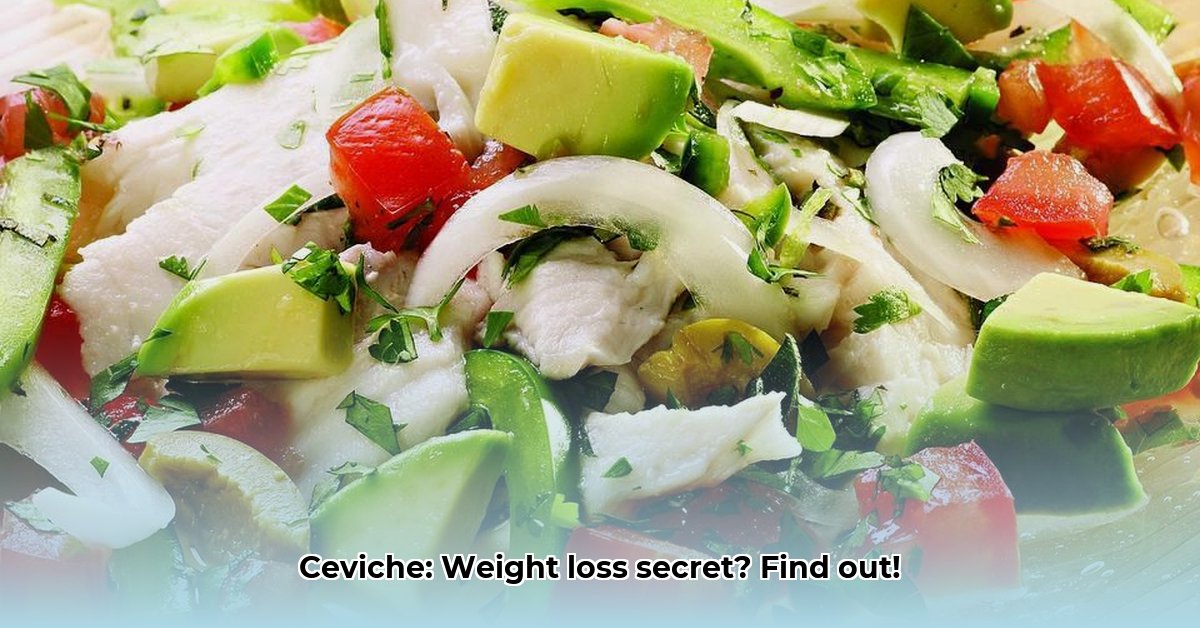
Is Ceviche Good for Weight Loss?
The vibrant, zesty flavors of ceviche, a Peruvian seafood dish, have captivated palates worldwide. But beyond its deliciousness, many wonder: can ceviche contribute to weight loss? The answer is nuanced, a blend of potential benefits and crucial considerations. This guide explores ceviche's nutritional profile, its impact on weight management, and provides actionable steps to incorporate it safely and effectively into a weight-loss plan.
Understanding Ceviche's Nutritional Powerhouse
Ceviche's weight-loss potential stems from its nutritional makeup. A typical serving boasts a relatively low calorie count (approximately 115 calories per 100 grams), a significant advantage in any calorie-conscious diet. However, its true strength lies in its high protein content. Protein promotes satiety, keeping you feeling full and satisfied, reducing the likelihood of unhealthy snacking between meals. This fullness is crucial for managing weight as it helps control overall calorie intake.
Furthermore, ceviche is a nutritional powerhouse. It offers a good source of Vitamin B12, essential for energy production and nerve function, and Vitamin C, a potent antioxidant. Minerals like iron and zinc contribute to healthy blood and immune function respectively. The inclusion of healthy omega-3 fatty acids provides additional heart and brain health benefits. Adding vegetables to your ceviche further enhances its nutritional profile, providing a wide array of essential vitamins and minerals.
Weighing the Upsides and Downsides: A Balanced Perspective
Like any dietary choice, ceviche presents both advantages and disadvantages. A balanced perspective is crucial.
Pros:
- High Protein, Increased Satiety: The protein content effectively reduces hunger, making it easier to adhere to calorie goals.
- Lower Calorie Option: Ceviche is a lower-calorie alternative compared to many other protein-rich dishes, assisting in creating a calorie deficit necessary for weight loss.
- Nutrient Density: A rich source of vitamins, minerals, and healthy fats, offering significant nutritional value.
Cons:
- Raw Fish Risk: The use of raw fish necessitates careful attention to food safety and proper handling to mitigate the risk of foodborne illnesses.
- Calorie Variability: The calorie count can vary based on the specific recipe and ingredients used; creamy additions like avocado can significantly increase the calorie content.
- Preparation and Sourcing: Careful preparation and sourcing high-quality, fresh ingredients from reputable sources are essential for both safety and flavor.
Food Safety: The Most Crucial Aspect
Because ceviche relies on raw fish, food safety is paramount. Always prioritize using the freshest, highest-quality seafood available, sourced from reputable fishmongers or markets with impeccable handling practices. "When in doubt, throw it out" is a critical mantra. If any doubt exists about the freshness of the fish, discard it immediately. Improper handling can lead to severe health consequences, so err on the side of caution. If any symptoms of food poisoning arise after consuming ceviche, seek prompt medical attention.
Making Ceviche Your Weight-Loss Ally: Tips and Tricks
Ceviche can be a valuable tool in a weight-loss strategy, but mindful practices are essential.
- Strategic Seafood Selection: Opt for lean seafood like shrimp, scallops, or lean white fish (cod or snapper) to minimize fat and calorie content.
- Portion Control: Adhere to recommended serving sizes to stay within daily calorie targets. Even healthy food can hinder weight loss if consumed excessively.
- Vegetable Enrichment: Increase the vegetable-to-seafood ratio; more bell peppers, cucumbers, tomatoes, or onions add volume and nutrients without significantly impacting the calorie count.
- DIY Control: Making your own ceviche allows for control over ingredients and portion sizes, ensuring alignment with dietary needs and preferences.
- Holistic Approach: Integrate ceviche into a balanced diet and regular exercise routine; it's one element in a comprehensive weight-loss approach.
Delicious and Healthy Ceviche Recipe (Lower-Calorie)
This recipe focuses on nutritional value while keeping calories in check. Adjust portion sizes to match your individual caloric needs.
Ingredients:
- 1 pound shrimp, peeled and deveined
- 1 cup freshly squeezed lime juice
- ½ red onion, thinly sliced
- ½ cup chopped red bell pepper
- ¼ cup chopped cilantro
- 1 jalapeño, seeded and minced (optional)
- Salt and freshly ground black pepper to taste
- Avocado slices (optional garnish – use sparingly)
Instructions:
- In a glass bowl, combine lime juice, red onion, bell pepper, cilantro, and jalapeño (optional).
- Gently add shrimp, ensuring complete coating in the citrus mixture.
- Cover and refrigerate for at least 30 minutes, or up to 2 hours.
- Season with salt and pepper.
- Serve chilled, garnished with a few avocado slices (if desired).
Disclaimer: While research suggests ceviche can be part of a healthy weight-loss approach, individual results may vary. Consult a doctor or registered dietitian before making significant dietary changes, especially with pre-existing health conditions.
How to Safely Prepare Ceviche for Weight Loss
Understanding Ceviche's Role in Weight Management
Ceviche, with its high protein and relatively low calorie content, offers a potential advantage in weight management. The satiating effect of protein reduces hunger, making it easier to stick to a calorie deficit. However, it is important to remember that sustainable weight loss requires a holistic approach which includes a balanced overall diet and exercise. Ceviche is one component of a larger strategy, not a standalone solution.
The Importance of Safe Preparation: How to Safely Prepare Ceviche for Weight Loss
Safe preparation is crucial to avoid foodborne illnesses.
Steps:
- Fish Selection: Choose extremely fresh, high-quality fish from a trusted source. Look for firm texture and a pleasant ocean smell.
- Citrus Marinating: Adequate citrus juice (lime or lemon) is essential to "cook" the fish and eliminate harmful bacteria. Ensure complete fish coverage.
- Marinating Time: Marinate for at least two hours at room temperature. Longer marinating may improve flavor but doesn't necessarily enhance safety.
- Thorough Chilling: Chill thoroughly before serving.
- Sensory Check: Inspect for unusual smells or textures before consumption. Discard if anything seems off.
Maximizing Ceviche's Weight-Loss Benefits
While ceviche can support weight loss, a balanced approach is key.
Tips:
- Portion Control: Eat in moderation to avoid excessive calorie intake.
- Mindful Add-ins: Avoid high-calorie additions like excessive avocado or rich oils.
- Balanced Diet: Include ceviche as part of a diverse diet with fruits, vegetables, whole grains and other lean proteins.
- Body Awareness: Pay attention to individual responses to ceviche. Some individuals may have sensitivities to certain types of fish.
- Alternative Options: Consider other protein sources if access to high-quality fish is limited or if concerns about food safety exist.
Potential Downsides and Considerations
Pros:
- High protein for satiety and muscle maintenance.
- Relatively low in calories.
- Potential source of omega-3 fatty acids and Vitamin B12 (depending on fish type).
- Flavorful and refreshing, enhancing diet enjoyment.
Cons:
- Risk of foodborne illness if improperly prepared.
- Potential for higher sodium content depending on preparation and ingredients.
- Mercury content in certain fish may be a concern, particularly for pregnant women and young children.
- Individual reactions to different fish types can vary.